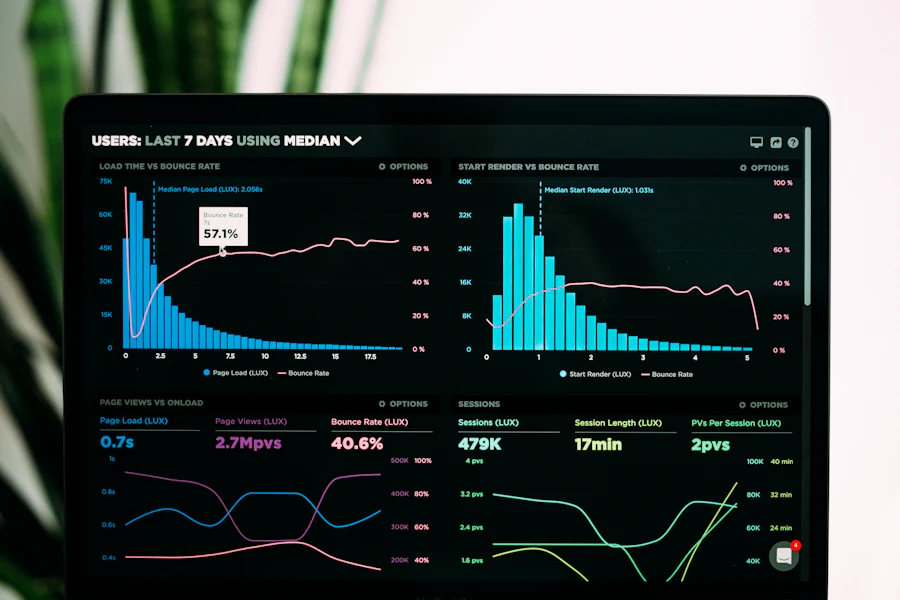
BMS and HVAC integration: one view of how the building runs.
Building management systems supervise HVAC, lighting, metering and alarms. Fortue can integrate VRF, FCU and AHU systems, occupancy logic and dashboards into one coordinated control layer.
Supervision, schedules and alarms for building services.
A BMS (building management system) collects data from plant and field controllers, runs schedules, raises alarms and logs trends so facility teams can see and control the building from one place.
Field controllers run HVAC equipment locally. Gateways and open protocols, BACnet, Modbus, KNX, connect them to a supervisory interface. In villas, the same principle applies at smaller scale: VRF and FCU controls integrated into the home automation system.
Empty rooms being cooled; faults found by occupants rather than operators; separate front ends for each vendor; no data on where energy goes.
Architecture
BMS integration is mostly wired: BACnet/IP and Modbus TCP on a dedicated network, BACnet MS/TP and Modbus RTU on RS-485, KNX in residential and hotel rooms. Wireless sensors can add occupancy or temperature data where cabling is impractical.
Security considerations
Building systems should sit on their own network segment, separated from business and guest traffic, with secured remote access and documented credentials handed to the owner.
Designing, installing and supporting BMS & HVAC Integration.
What has to be right at each stage for the system to work for years.
01
Requirements
Operator needs, plant inventory and interfaces.
→ Requirements
02
Design
Points list, schedules, alarms and dashboard design.
→ Integration design
03
Installation
Gateways, controllers and networking.
→ Installed system
04
Commissioning
Point checks, logic tests, alarms and trends.
→ Commissioned system
05
Maintenance
Alarm reviews, tuning and updates.
→ Fortue Care
06
Optimisation
Schedule and setpoint improvements from data.
→ Improvement plan
Fortue’s role
Engineering the system, not just the devices.
Fortue can integrate HVAC and building services over open protocols, define schedules and alarms with the operator, and document points lists and interfaces for long term maintenance.
HVAC integrates with lighting and shading scenes, occupancy, access and energy dashboards.
01
When Fortue recommends it
Hotels, offices, towers and large villas with central or VRF systems.
02
When we recommend something else
Small homes with a few split units may only need smart thermostats or simple controllers.
03
Typical applications
Hotels, offices, residential towers, villas with VRF.