Every intelligent building is, underneath, a network. Automation controllers, IP cameras, intercoms, access control, AV streaming and building dashboards all share the same infrastructure. When that infrastructure is designed deliberately, systems are faster, safer and easier to support.
Start with structured cabling
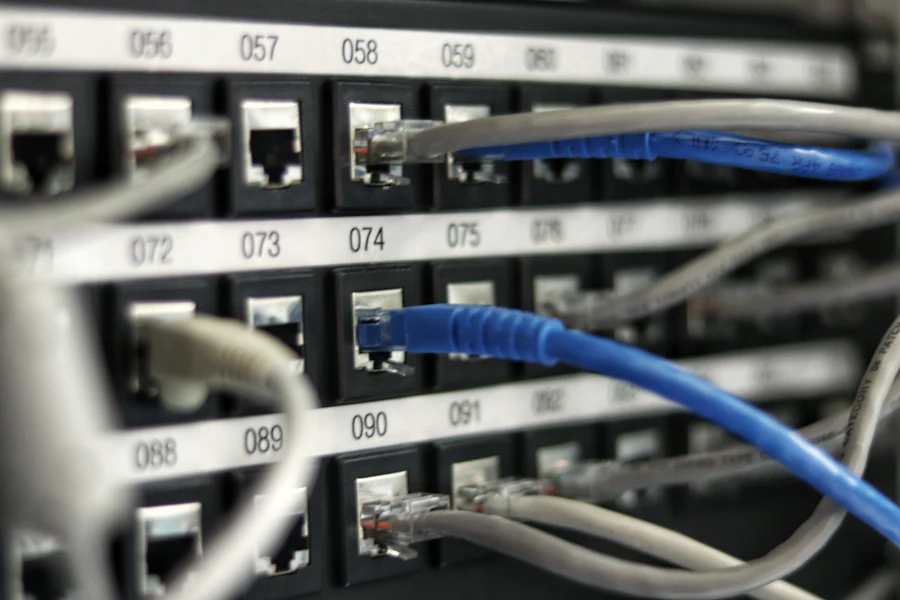
Wireless is only as good as the wired network behind it. Plan a cabling route to every access point, camera, intercom panel, AV endpoint and control processor, terminated in a properly organised rack with labelled patch panels. Specify PoE budgets early — cameras and access points draw more power than many consumer switches can deliver.
Segment with VLANs
Put different classes of device on separate virtual networks and control traffic between them with firewall rules:
- Trusted: owners’ and staff devices.
- Guest: internet only access, isolated from everything else.
- Cameras & security: recorder and cameras, no direct internet exposure.
- IoT & automation: controllers, hubs and smart devices, allowed to reach only what they need.
Segmentation limits the damage a compromised device can do, and makes it much easier to find faults.
Apply quality of service
Voice, video calls and real time control traffic should be prioritised over bulk uploads and updates. QoS policies, combined with sensible camera bitrates, keep the experience consistent when many systems are active at once.
Plan Wi-Fi coverage, not just access points
Place access points from a coverage plan based on the floor layout and wall construction, with channel and power planning to avoid self interference. Outdoor areas, garages and staff quarters are frequently forgotten until after handover.
Document and monitor
An as built network diagram, IP and VLAN plan and a list of credentials held securely by the owner are essential for long-term support. Centralised network management makes remote diagnostics and firmware updates possible without a site visit.
Fortue designs networks as part of every integrated project. See our IT & networking solutions.
Frequently asked
Why should IoT devices be on a separate VLAN?
Separating IoT and automation devices from personal devices and cameras limits the impact of a compromised device, lets you apply targeted firewall and QoS rules, and simplifies troubleshooting.