Most disappointing smart home projects are not caused by bad products. They are caused by decisions made in the wrong order. In villa projects we see the same three mistakes repeatedly — and each one is cheaper to avoid than to fix.
1. Deciding on automation after the electrical design is finished
Automation is a wiring decision before it is a technology decision. A wired system such as KNX needs bus cable to every keypad, sensor and actuator location, and larger distribution boards to house the actuators. A wireless system such as Zigbee needs neutral wires at switch positions, deep back boxes and a plan for mesh coverage. If the electrical design is frozen before anyone has chosen the automation approach, the options narrow to whatever can be retrofitted.
- Bring the automation designer in at the same stage as the MEP consultant.
- Agree the protocol (wired, wireless or hybrid) before first fix.
- Reserve board space and conduit for future expansion, even if phase one is modest.
2. Treating the network as an afterthought
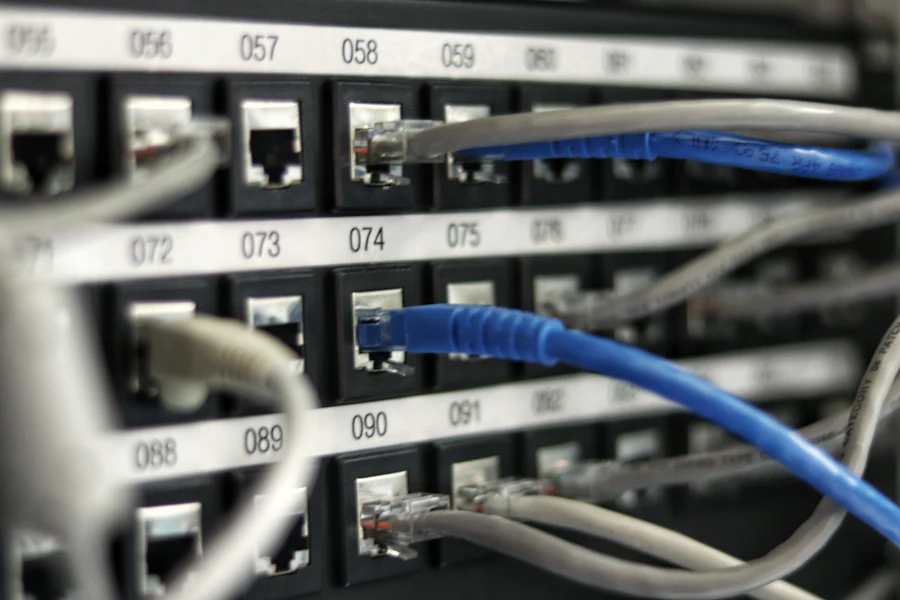
Cameras, intercoms, access points, AV streamers, hubs and control apps all depend on the network. A consumer router hidden in a cupboard is the most common single point of failure in a smart home. A villa should have structured cabling to every access point and camera location, a switched and properly powered core, and separate network segments (VLANs) for family devices, guests, cameras and automation equipment.
Segmentation is not only about security. It lets you apply quality of service rules so a video call is not disrupted by a camera upload, and it makes troubleshooting far faster for whoever supports the system.
3. Buying devices instead of designing a system
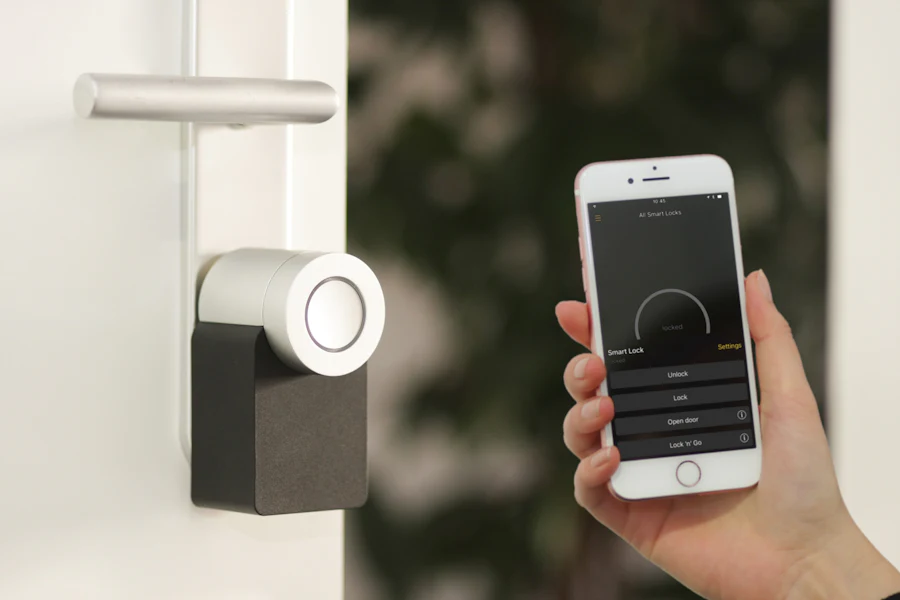
A collection of individually excellent devices — each with its own app — is not an automated home. Real value comes from the logic between systems: presence that sets lighting and climate, doors that arm security, curtains that respond to the sun, one scene that prepares the cinema. That logic needs a single control layer and a documented design.
- Start from how the family lives: routines, rooms, who controls what.
- Choose a platform that can integrate lighting, climate, shading, security and AV.
- Insist on as built documentation, so the system can be supported and extended later.
What good looks like
A well executed villa project has an agreed protocol before first fix, a professionally designed network, a single control layer, and clear documentation at handover. None of this requires the most expensive hardware — it requires the right decisions at the right time.
If you are planning a villa, book a consultation early in design. It is the least expensive point to get automation right.
Frequently asked
When should home automation be planned in a villa project?
At the same stage as the electrical and MEP design, before first fix wiring, so that cabling, back boxes and distribution board space match the chosen automation approach.
Does a smart home need a dedicated network?
Yes. A villa with cameras, intercoms, AV and automation benefits from structured cabling, a managed switch core, well placed access points and separate VLANs for family, guests, cameras and automation devices.