The protocol decision shapes wiring, cost, reliability and how easily a system can be extended in ten years’ time. There is no single right answer — but there is usually a clear best fit for a given project.
KNX — wired, open and built for longevity
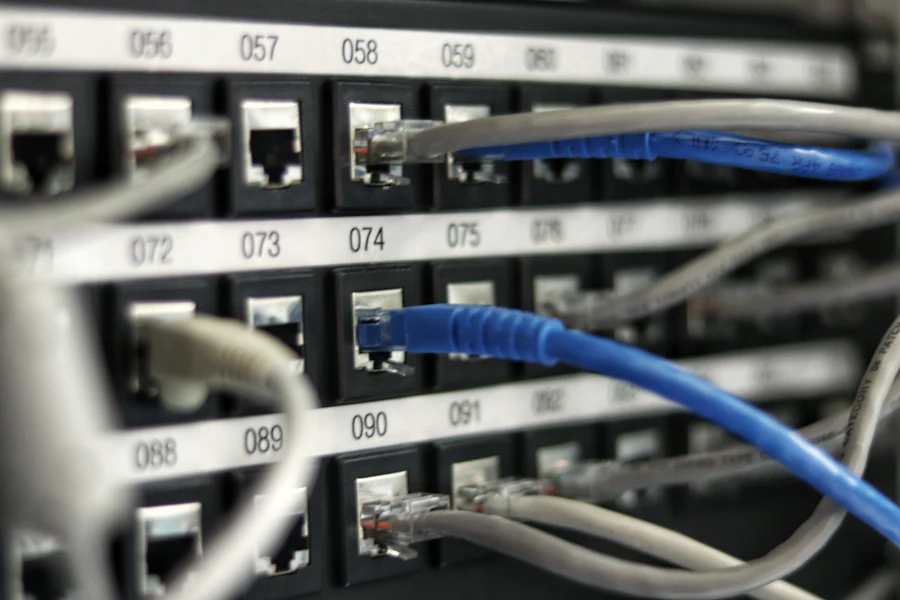
KNX is an open international standard (ISO/IEC 14543) for home and building control, supported by hundreds of manufacturers. Devices communicate over a dedicated twisted pair bus, so control does not depend on radio conditions or a central hub.
- Best for: new build villas, premium residences, hotels and commercial buildings where cabling can be planned.
- Strengths: very high reliability, multi vendor interoperability, decades long product availability.
- Consider: requires bus cabling and board space; higher upfront engineering.
Zigbee — wireless mesh for flexible projects
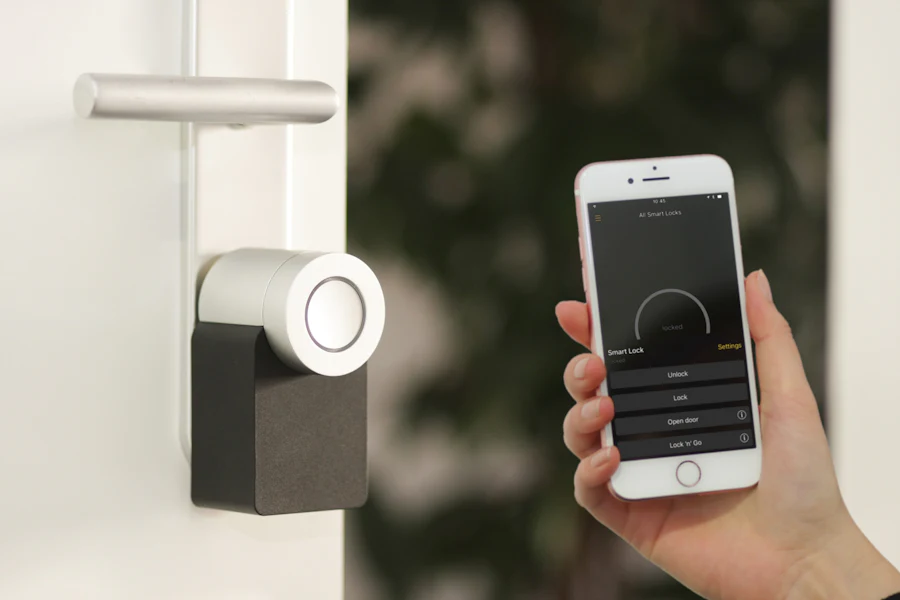
Zigbee is a low power wireless mesh protocol. Mains powered devices relay messages, so coverage improves as the network grows. It is widely used for switches, sensors, relays and smart locks.
- Best for: apartments, renovations and retrofit projects where new cabling is impractical.
- Strengths: lower installation cost, broad device choice, fast deployment.
- Consider: needs a well planned mesh and coordinator; check neutral wire availability at switch points.
Z-Wave — interoperable sub-GHz wireless
Z-Wave is also a wireless mesh, but operates in sub-GHz bands, which avoids congestion with Wi-Fi and often penetrates walls well. Certification requirements make cross brand interoperability consistent.
- Best for: retrofit residential projects with dense masonry or busy 2.4 GHz environments.
- Consider: regional frequency variants — devices must match the market they are installed in.
Wi-Fi devices — convenient, with limits
Wi-Fi devices are easy to add but place every switch and sensor on the same network as phones and laptops. At scale, that means more load on access points, more cloud dependencies and more security exposure. They are best used selectively and on a segmented network.
Hybrid designs are common
Many good projects combine protocols: KNX for lighting and climate in the main areas, Zigbee for retrofit zones or battery sensors, and BACnet or Modbus to bring HVAC plant and energy meters onto the same control layer. The key is a single integration platform and documented architecture.
Our technology page lists the standards we engineer with. For a recommendation specific to your project, contact our team.
Frequently asked
Is KNX better than Zigbee?
Neither is universally better. KNX is wired and suits new builds and commercial projects that need maximum reliability; Zigbee is wireless and suits apartments and retrofits where new cabling is impractical. Many projects combine both.
Can different automation protocols work together?
Yes. Gateways and integration platforms allow KNX, Zigbee, Z-Wave, BACnet and Modbus devices to share one control layer, provided the architecture is designed and documented.